
Introduction
Modern industrial and commercial projects require proper electrical cable management to maintain organized wiring, improve accessibility, and support efficient maintenance. Choosing the right Hot Dip Ladder Cable Tray can make a significant difference in installations where multiple electrical cables need reliable support. From manufacturing plants and warehouses to commercial buildings and infrastructure projects, selecting suitable cable management products is an important part of electrical planning.
Different cable management systems are designed for different applications. Two commonly considered solutions are ladder cable trays and raceway systems. Understanding their features, applications, and differences can help contractors, engineers, and project managers make better decisions.
What Is a Hot Dip Ladder Cable Tray?
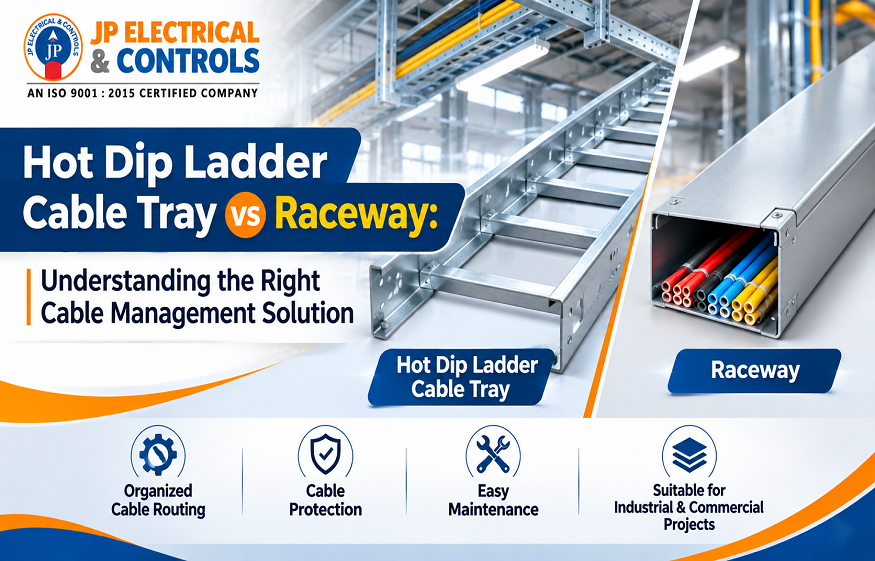
A hot dip ladder cable tray is a cable support system manufactured using a ladder-style structure and a hot-dip galvanized finish. It generally consists of two side rails connected by regularly spaced cross-members.
Read More: How Dumpster and Porta Potty Rentals in NJ Simplify Projects and Events
The hot-dip galvanizing process involves applying a zinc coating to steel, helping protect the surface against corrosion. This makes appropriately specified products worth considering for industrial installations where moisture and environmental exposure are concerns.
Key Features and Benefits
- Corrosion Protection: The zinc coating helps protect the steel from corrosion.
- Open Structure: The ladder design allows airflow around installed cables.
- Easy Cable Access: Its open construction makes cable inspection and maintenance convenient.
- Industrial Applications: It can be considered for factories, warehouses, and power distribution installations.
- Flexible Installation: Different dimensions and accessories can support various cable routing layouts.
The actual performance depends on the coating specification, material quality, cable load, and installation conditions.
Understanding Raceway Systems
A raceway is an electrical cable management system designed to provide a structured pathway for electrical wires and cables. Depending on its design, it may enclose cables or provide a defined route for electrical wiring.
Raceway systems are commonly used in commercial buildings, offices, industrial facilities, and other electrical installations where organized wiring and cable protection are important.
Important Benefits of Raceway Systems
- Organized Wiring: Raceway systems help keep electrical wiring arranged along planned routes.
- Cable Protection: Enclosed raceway designs can help protect wires against dust, accidental contact, and certain forms of physical damage.
- Clean Installation: They can provide a neat appearance in commercial and office environments.
- Easy Maintenance: Suitable designs allow technicians to access wiring for inspection and maintenance.
- Different Applications: Raceway products are available in different configurations to meet installation requirements.
Hot Dip Ladder Cable Tray vs Raceway: What Is the Difference?
Although both products are used for cable management, their construction and applications are different.
| Comparison | Hot Dip Ladder Cable Tray | Raceway |
| Design | Open ladder-style structure | Structured cable pathway, often enclosed |
| Construction | Side rails with cross-members | Depends on the raceway design |
| Airflow | Open construction allows airflow | Depends on the enclosure and design |
| Cable accessibility | Generally easy to access | Depends on the type of cover and enclosure |
| Common applications | Industrial plants and large cable routes | Commercial buildings and organized wiring installations |
| Main consideration | Cable load and support requirements | Cable protection and routing requirements |
Neither option is universally better. The correct selection depends on the electrical design, installation environment, cable quantity, and project specifications.
Where Are These Cable Management Solutions Used?
Both systems are useful in different types of electrical installations. Businesses should select products according to their specific wiring and infrastructure requirements.
Read More: Key Services Offered by Professional Solar Contractors in New Jersey
For projects requiring structured electrical wiring, a suitable Raceway system can help organize cables and provide a defined pathway for electrical installations. Its design and material should be selected according to the building layout and operating environment.
1. Manufacturing Industries
Factories use electrical cable management systems to route cables connected to machinery, production equipment, control panels, and other electrical components.
2. Commercial Buildings
Offices, shopping complexes, and commercial facilities require organized electrical wiring for lighting, power distribution, and communication systems.
3. Warehouses
Large warehouses need planned cable routing for lighting systems, electrical equipment, and operational infrastructure.
4. Power Plants
Power generation and distribution facilities require suitable cable support systems to maintain organized electrical installations.
5. Infrastructure Projects
Airports, industrial parks, transportation facilities, and other infrastructure projects use cable management products for structured electrical installations.
Factors to Consider Before Selecting the Right System
Before purchasing any cable management product, consider the following points:
Material Quality: Check the base material and manufacturing specifications.
Dimensions: Select appropriate width, height, and other dimensions according to the cable arrangement.
Load Capacity: Confirm that the tray and its supporting structure can handle the expected cable weight.
Environmental Conditions: Consider moisture, temperature, chemicals, and corrosion exposure.
Installation Requirements: Review the cable route, support spacing, bends, and accessories.
Maintenance Needs: Select a system that provides suitable access for inspection and future maintenance.
Proper planning can help avoid unnecessary installation difficulties and improve the overall organization of electrical wiring.
How to Choose a Reliable Cable Management Manufacturer?
Selecting the right manufacturer is just as important as selecting the product. Before placing an order, buyers should review the manufacturer’s product range, material specifications, manufacturing quality, and available technical information.
JP Electrical & Controls offers cable management products for industrial and commercial requirements. Buyers should discuss their project specifications, required dimensions, material finish, and quantity before finalizing an order.
Conclusion
Hot-dip ladder cable trays and raceway systems both play important roles in modern electrical cable management. However, their designs and applications are different.
Ladder cable trays are commonly considered for open cable support in industrial installations, while raceway systems are useful for structured wiring routes and applications requiring cable enclosure.
Before selecting a product, evaluate the installation environment, cable load, material, dimensions, and maintenance requirements. Choosing a suitable cable management solution can help create an organized and practical electrical installation.
Frequently Asked Questions
- What is a hot dip ladder cable tray used for?
It is used to support and route electrical cables in industrial facilities, warehouses, power plants, and other installations requiring structured cable management.
- What is the main purpose of a raceway?
A raceway provides a structured pathway for electrical wiring and, depending on its design, can help protect cables from external exposure.
- What is the difference between a ladder cable tray and a raceway?
A ladder cable tray has an open structure with side rails and cross-members, while a raceway generally provides a defined cable route and may have an enclosed design.
- Is hot-dip galvanizing useful for industrial cable trays?
Yes. A properly specified hot-dip galvanized coating helps protect steel against corrosion and can be useful in demanding industrial environments.
- Which cable management system is suitable for commercial buildings?
Both systems can be suitable depending on the installation. Raceway systems are often considered for enclosed wiring routes, while cable trays are useful where accessible cable support is required.
- What should I check before purchasing a cable management system?
Check material quality, dimensions, load capacity, surface finish, installation conditions, accessories, and manufacturer specifications.